

Today’s online tutoring options range from self-guided programs to fully personalized one-on-one instruction. The best choice depends on your child’s needs, learning style, and goals.
In this guide, we break down the best online tutoring platforms in 2026, how they compare, and which type of student each one is best for.
Learner — Best Overall Online Tutoring Platform
Best for: Families looking for high-quality, personalized tutoring with long-term results
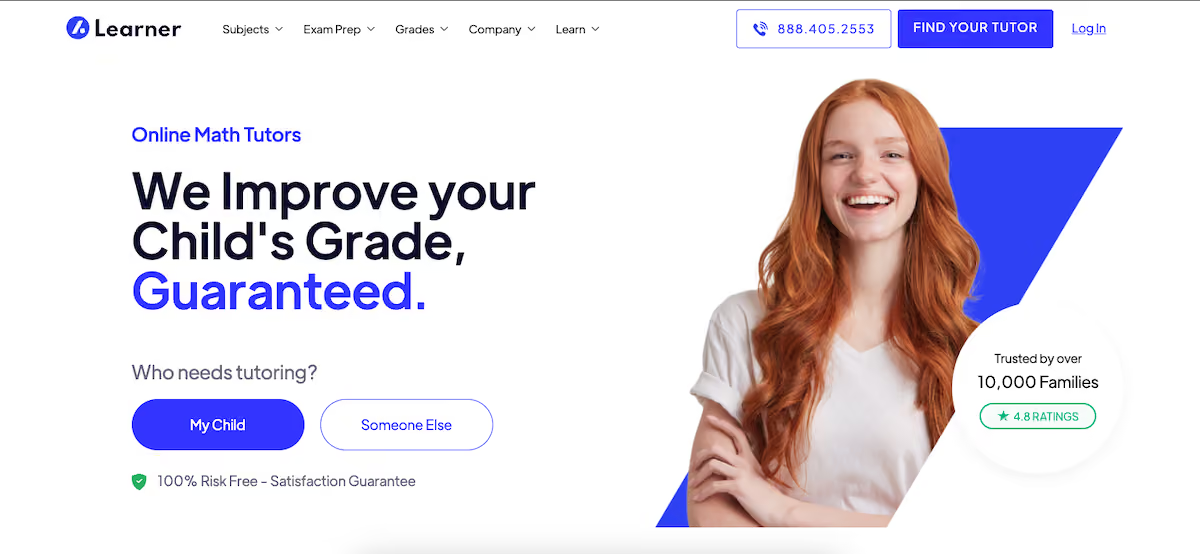
Learner is a premium online tutoring platform built around one-on-one instruction, expert tutors, and personalized learning plans.
Unlike many platforms that prioritize scale, Learner focuses on fit and quality, matching each student with a tutor based on personality, learning style, and academic needs.
Plus, Learner supports a wide range of subjects beyond math, including English Language Arts (ELA), science, and test preparation for exams like the SAT and ACT. This breadth allows families to rely on a single, consistent tutoring partner as their child’s academic needs evolve.
Key Features
- One-on-one private tutoring
- Personalized tutor matching process
- Customized lesson plans
- Session recordings for review
- Strong focus on math and test prep
Pros
- Highly personalized learning experience
- Rigorous tutor vetting (top-tier instructors)
- Long-term student-tutor relationships
- Lessons tailored to student goals and pace
Cons
- Tutors are not available 24/7 for on-demand assistance
- Most popular tutors may have limited availability
Bottom Line
Learner stands out for delivering consistent, high-quality results through personalization. Students receive individualized attention, expert instruction, and a structured path to improvement, making it the best choice for families seeking meaningful academic progress.

Brighterly — Best for Younger Students
Best for: Elementary and middle school students who need engaging, one-on-one support in math and reading
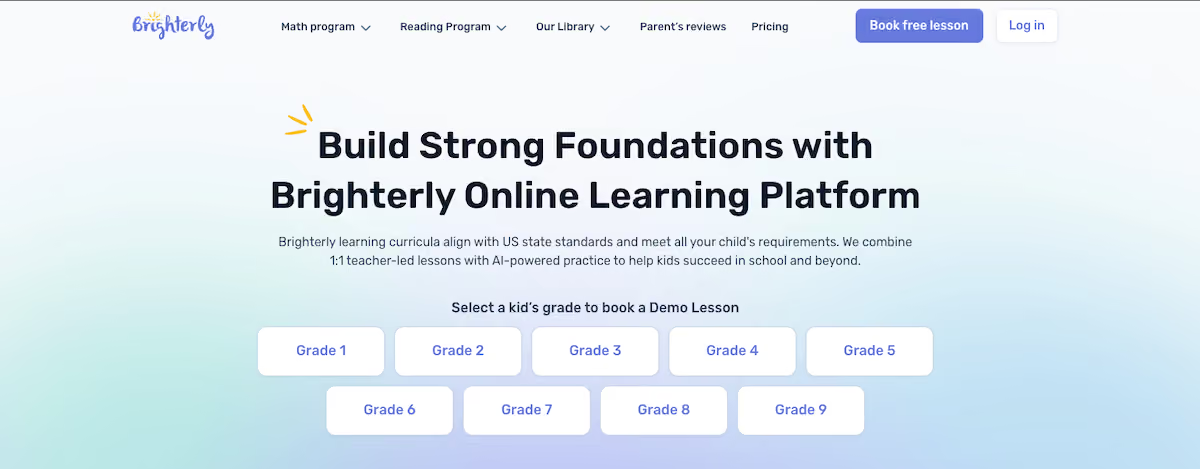
Brighterly is an online tutoring platform focused on 1:1 instruction for younger learners, particularly in math, reading, and writing. Its approach combines personalized lessons with interactive, gamified teaching to keep students engaged.
Key Features
- One-on-one online tutoring
- Focus on math, reading, and writing (grades ~1–9)
- Personalized learning plans aligned with school standards
- Interactive, gamified lessons
- Free worksheets and practice materials
Pros
- Strong focus on foundational skills for younger students
- Personalized lessons tailored to each child’s needs
- Engaging teaching style (games, visuals, interactive tools)
- Flexible scheduling and online accessibility
Cons
- Limited to younger students (not ideal for high school or advanced subjects)
- Narrow subject focus compared to broader platforms
Bottom Line
Brighterly is a strong option for younger students who need structured, engaging support in math and reading, especially those who benefit from interactive lessons and personalized attention.
Varsity Tutors — Best for On-Demand Help
Best for: Students who need quick help or flexible scheduling
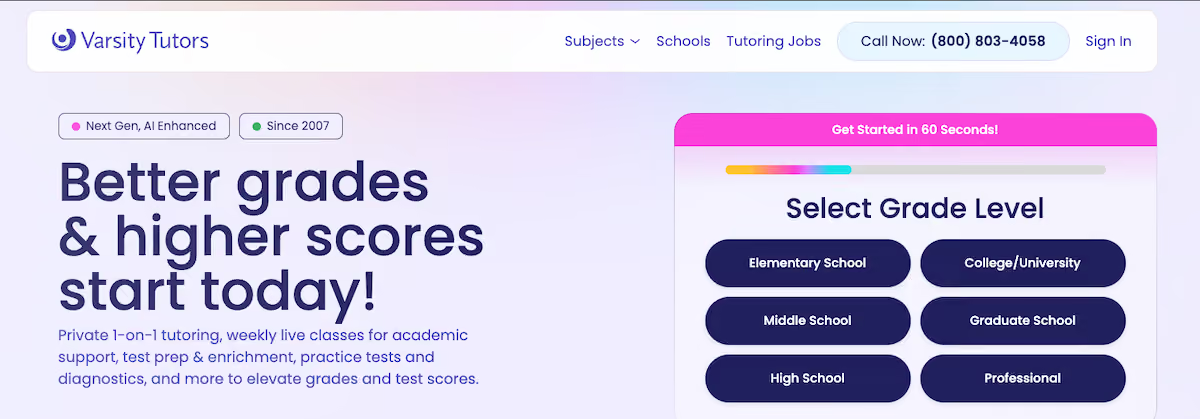
Varsity Tutors offers a large network of tutors and features like instant tutoring for fast support.
Key Features
- 24/7 tutor availability
- Instant tutoring feature
- Mobile-friendly platform
Pros
- Fast access to tutors
- Broad subject coverage
- Flexible formats (1:1 and group)
Cons
- Tutor quality can vary
- Less emphasis on long-term relationships
Bottom Line
Varsity Tutors is ideal for quick help and busy schedules, but may be less effective for sustained academic improvement.
Khan Academy — Best Free Learning Platform
Best for: Students who want free, self-paced learning resources
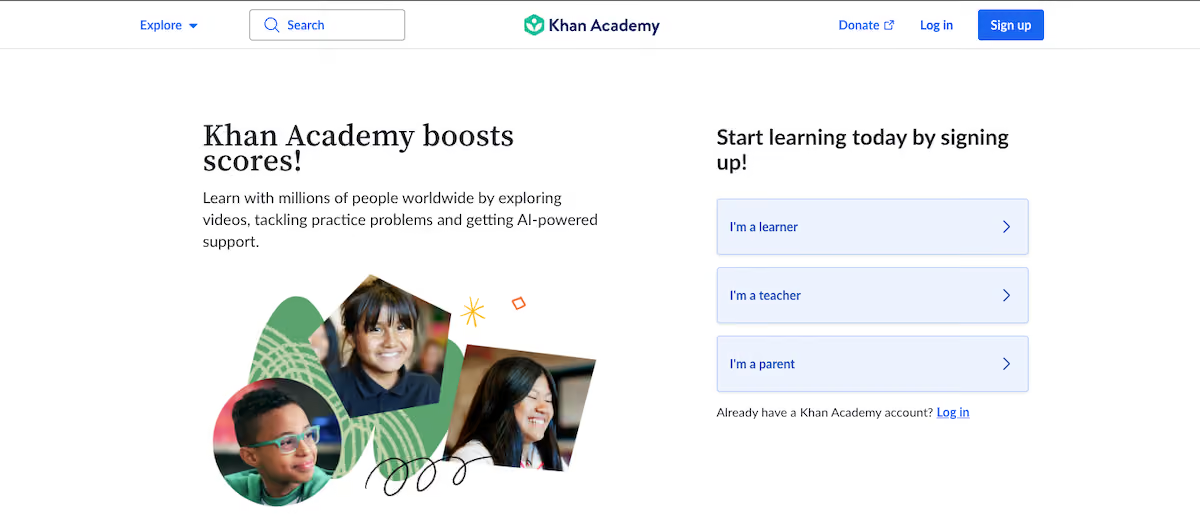
Khan Academy is a nonprofit educational platform that offers free lessons in math, science, and other subjects. Its content includes video explanations, practice exercises, and structured learning paths.
Key Features
- Completely free access
- Extensive library of lessons and exercises
- Self-paced learning
- Strong coverage of math and test prep (SAT)
Pros
- No cost
- High-quality instructional content
- Great for independent learners
- Useful as a supplement to school or tutoring
Cons
- No live tutors or one-on-one instruction
- Limited personalization compared to tutoring platforms
- Requires self-discipline and motivation
Bottom Line
Khan Academy is one of the best free educational resources available, but it is not a replacement for tutoring. Students who need guidance, accountability, or personalized instruction may benefit more from working with a live tutor alongside these resources.
Not all online tutoring platforms work the same way. Some provide highly personalized, one-on-one instruction, while others function as marketplaces where families choose tutors themselves. The best option depends on the level of support and consistency you’re looking for.
Preply
Best for: Students looking for affordable, flexible tutoring, especially in languages
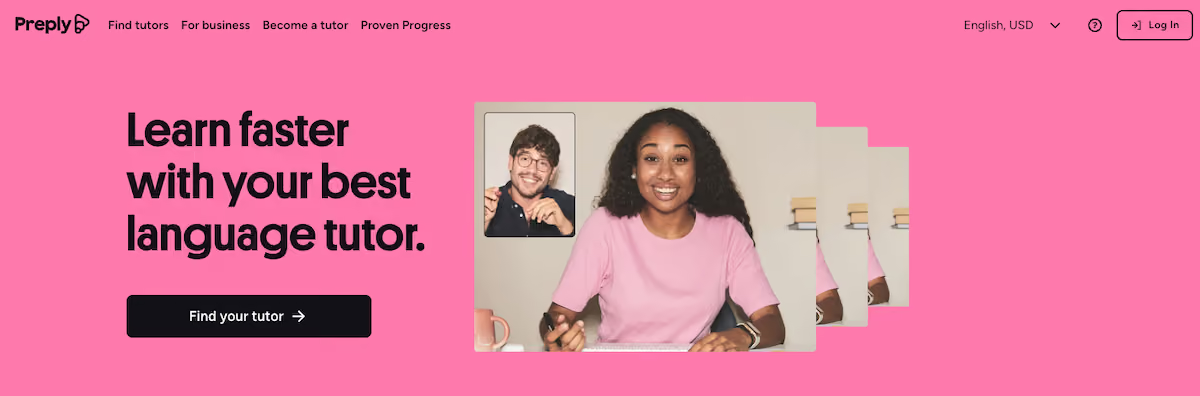
Preply is a global tutoring marketplace that connects students with tutors from around the world, with a strong focus on language learning.
Key Features
- Large global tutor marketplace
- Strong focus on language tutoring
- Flexible scheduling across time zones
- Wide range of price points
Pros
- Affordable options due to global tutor pool
- Excellent for language learning
- Flexible scheduling
- Large selection of tutors
Cons
- Quality varies depending on the tutor
- Requires trial and error to find the right match
- Less structured learning experience
Bottom Line
Preply is a strong option for students seeking affordable and flexible tutoring, particularly for language learning, though it requires more effort to find a consistent, high-quality tutor.
Superprof
Best for: Students who want the widest possible selection of tutors and subjects
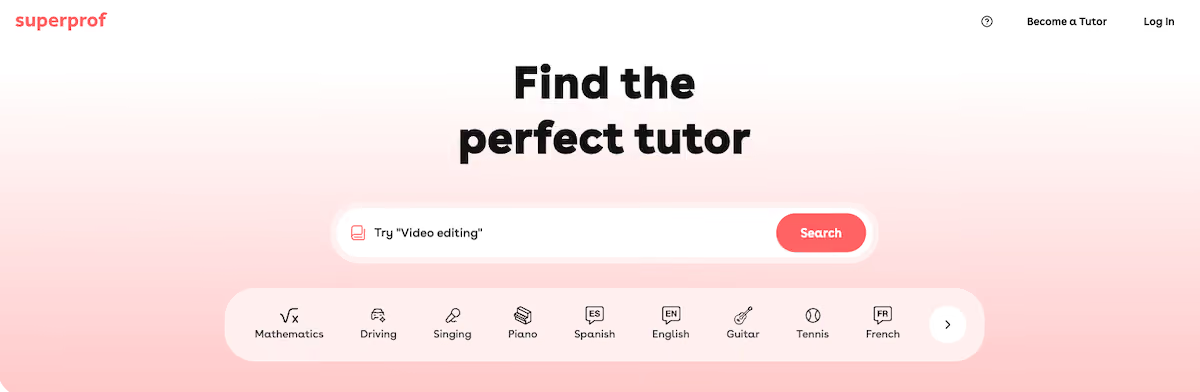
Superprof is a global tutoring directory that connects students with tutors across a wide range of subjects, from academics to hobbies.
Key Features
- Massive global tutor network
- Coverage across academic and non-academic subjects
- Online and in-person options
- Flexible pricing set by tutors
Pros
- Extremely wide subject selection
- Tutors available at many price points
- Global availability
Cons
- Minimal vetting compared to curated platforms
- Quality and experience vary widely
- Less guidance in choosing the right tutor
Bottom Line
Superprof offers unmatched variety and flexibility, but is best suited for families comfortable researching and selecting tutors independently.
Wyzant
Best for: Families who want to choose their own tutor
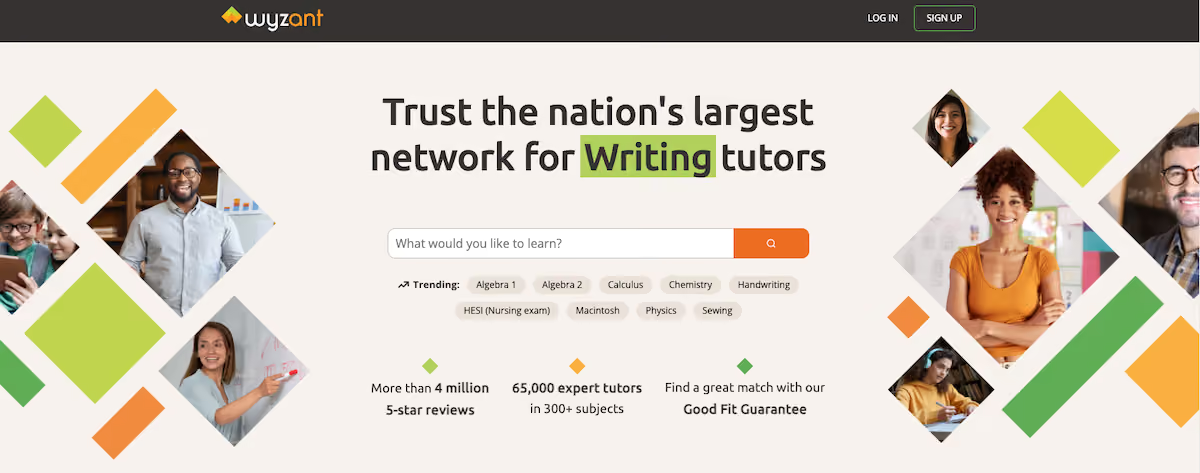
Wyzant operates as a marketplace connecting students with over 65,000 tutors across hundreds of subjects.
Key Features
- Large tutor marketplace
- Wide subject coverage
- Flexible pricing
Pros
- Full control over tutor selection
- No long-term commitment
- Wide range of price points
Cons
- Quality varies significantly between tutors
- Finding the right tutor can take time
Bottom Line
Wyzant is a strong option for families who want flexibility, but it often requires trial and error to find the right fit.
While this guide focuses on online tutoring platforms, some well-known tutoring services still operate primarily through in-person or hybrid models.
These programs can be effective for certain students, especially younger learners or those who prefer structured, in-person environments—but they differ significantly from fully online platforms in terms of flexibility, personalization, and access to tutors.
Mathnasium
Best for: Students who need structured math practice
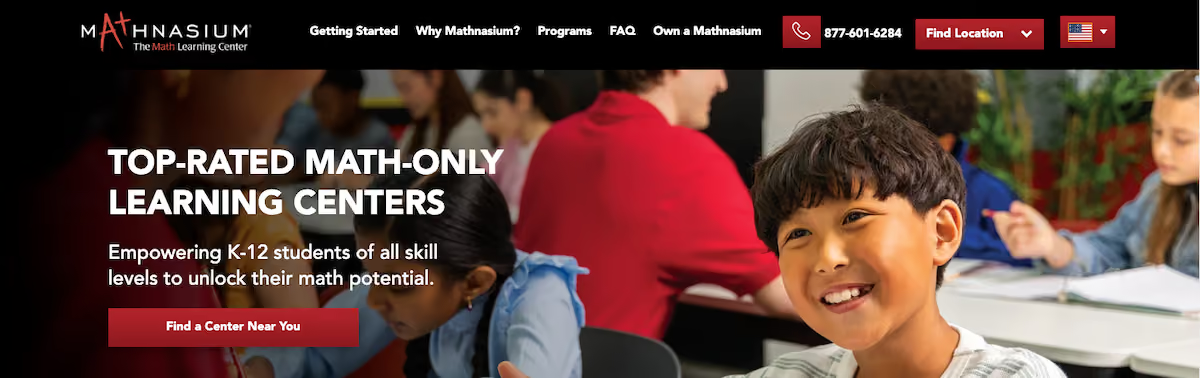
Mathnasium is a math-only tutoring program that uses personalized learning plans in small-group settings.
Key Features
- Math-only curriculum
- Initial assessment and learning plan
- Small-group instruction
Pros
- Strong focus on math fundamentals
- Structured curriculum
- Available online and in person
Cons
- No one-on-one tutoring
- Limited to math only
Bottom Line
Mathnasium is a solid choice for math support, particularly for younger students, though it lacks individualized instruction.
Kumon
Best for: Students who benefit from routine and repetition
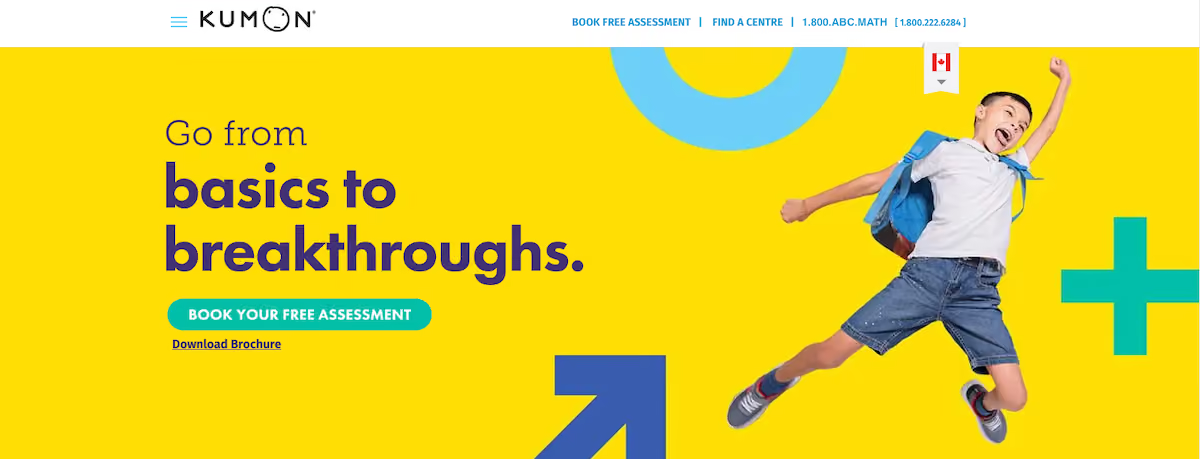
Kumon uses a self-learning model focused on worksheets and incremental progress.
Key Features
- Repetition-based learning
- Math and reading programs
- Structured progression
Pros
- Builds discipline and consistency
- Affordable compared to some options
Cons
- Limited personalization
- Less focus on deep understanding
Bottom Line
Kumon is best suited for students who thrive with structured, independent practice, rather than guided instruction.
Sylvan Learning
Best for: Students who need help across multiple subjects
Sylvan offers both in-person and online tutoring with customized learning plans in small groups.
Key Features
- Multi-subject tutoring
- Diagnostic assessments
- Small-group instruction
Pros
- Covers a wide range of subjects
- Structured learning plans
Cons
- No private one-on-one tutoring
- Experience may vary by location
Bottom Line
Sylvan is a well-rounded option for general academic support, though less personalized than private tutoring.
Eye Level
Best for: Early learners building foundational skills
Eye Level focuses on math and language development for younger students through a mix of guided and independent learning.
Key Features
- One-on-one and hybrid instruction
- Focus on math and language arts
- Diagnostic assessment for placement
- Self-paced, workbook-driven learning
Pros
- Builds strong foundational skills
- Encourages independent learning and confidence
- Offers both online and in-person options
Cons
- Limited to younger students (typically up to age 12)
- Less direct communication between parents and tutors
- Tutor consistency may vary
Bottom Line
Eye Level is best for younger students building foundational skills, particularly those who benefit from a mix of guided instruction and independent learning.
Best Brains
Best for: Students who benefit from structured group instruction
Best Brains offers small-group classes aligned with school curricula.
Key Features
- Small group classes (typically ~5 students)
- Curriculum aligned with school standards
- Board-certified teachers
- Weekly classes with structured homework
Pros
- Strong alignment with school curriculum
- Certified teachers
- Balanced approach (concept understanding + practice)
Cons
- Limited availability for older students
- Less personalized than one-on-one tutoring
- Fewer locations compared to larger franchises
Bottom Line
Best Brains is a solid option for students who benefit from structured, small-group learning aligned with school content, though it offers less customization than private tutoring.
Why Online Tutoring Has Become the Preferred Option
Online tutoring platforms have evolved significantly in recent years, offering advantages that traditional models often can’t match. What was once seen as a convenient alternative has become, for many families, the preferred way to get academic support.
Access to a Wider Pool of Specialized Tutors
Online tutoring removes geographic limitations, giving students access to highly qualified tutors from across the country (and even globally). This is especially valuable for advanced subjects or test prep, where local options may be limited. Instead of choosing from whoever is nearby, families can find a tutor who truly matches their child’s needs and learning style.
Flexible Scheduling Without Travel
With online tutoring, there’s no need to commute to a learning center or coordinate around limited local availability. Sessions can be scheduled around school, extracurriculars, and family routines, making it easier to stay consistent over time. This flexibility is particularly important for busy families and high school students with demanding schedules.
More Personalized, One-on-One Instruction
Many online platforms prioritize one-on-one learning, allowing tutors to fully tailor lessons to the student’s pace, strengths, and areas for improvement. Unlike group settings, this creates a focused environment where students can ask questions freely, receive immediate feedback, and build confidence over time.
Built-In Technology That Enhances Learning
Online tutoring platforms leverage technology in ways that traditional formats can’t. Features like interactive whiteboards, screen sharing, and recorded sessions allow students to actively participate and revisit material later for reinforcement. These tools not only improve comprehension but also help students develop digital skills they’ll use in school and beyond.
For many families—especially those seeking long-term academic improvement—online-first platforms provide a more flexible, personalized, and effective experience than traditional tutoring models.
Best Overall Choice: Learner
For families who want real academic progress—not just homework help—Learner offers the most effective approach.
With expert tutors, personalized matching, and one-on-one instruction, it provides the kind of tailored support that leads to lasting confidence and results.